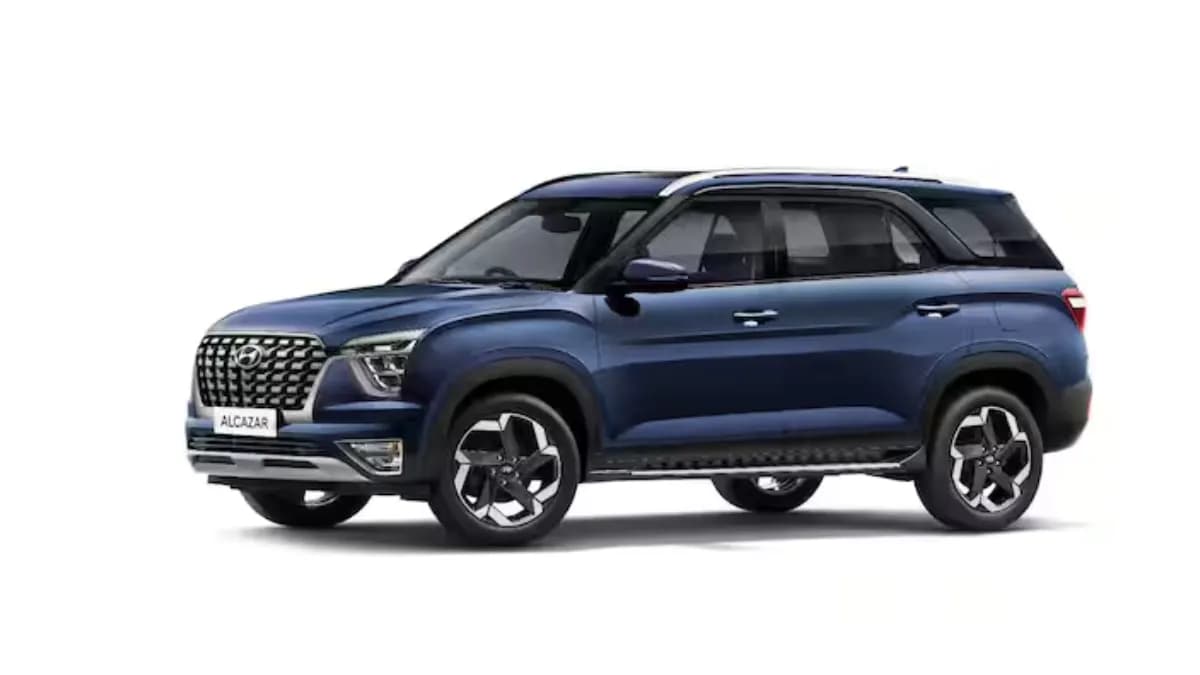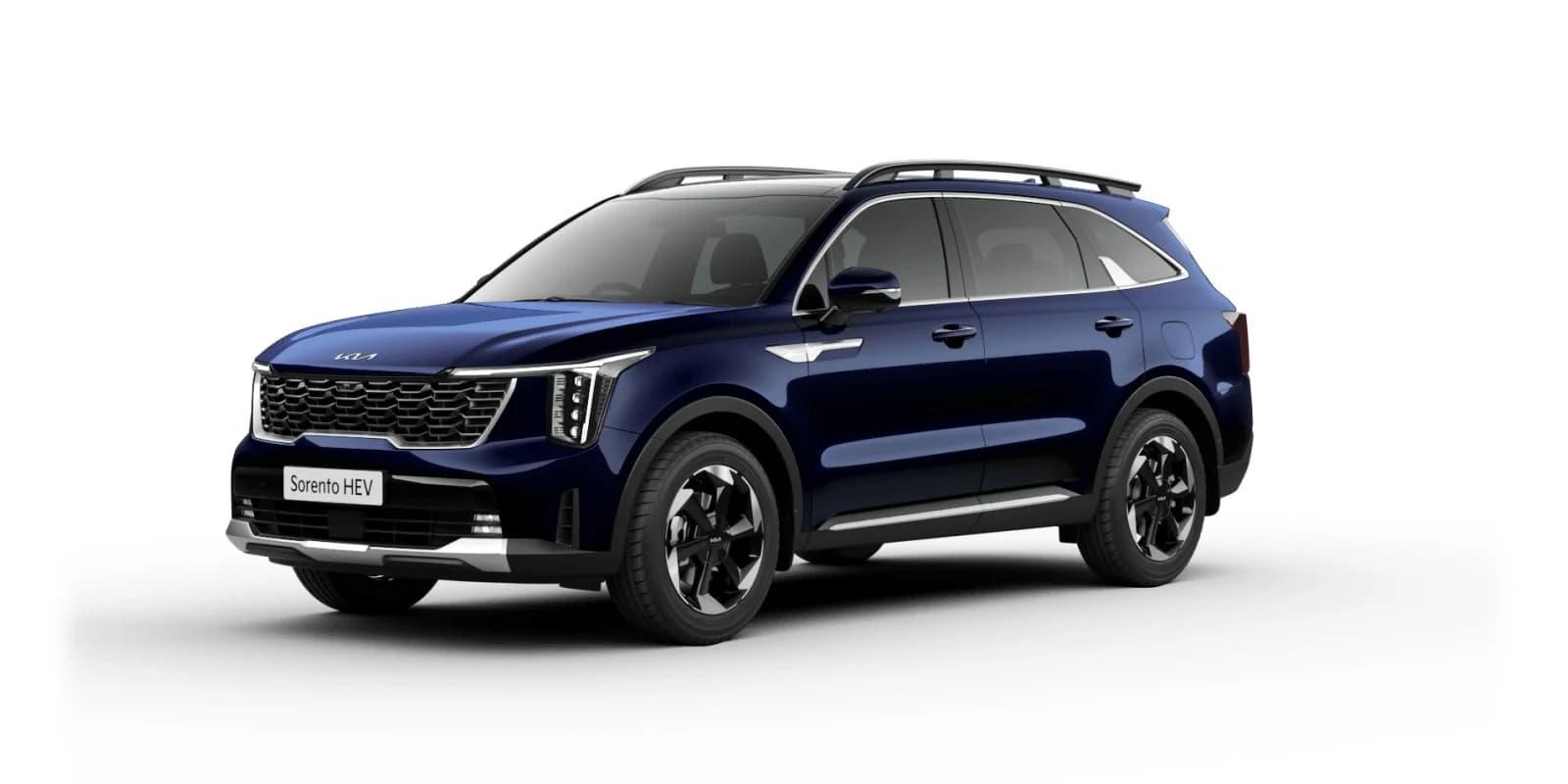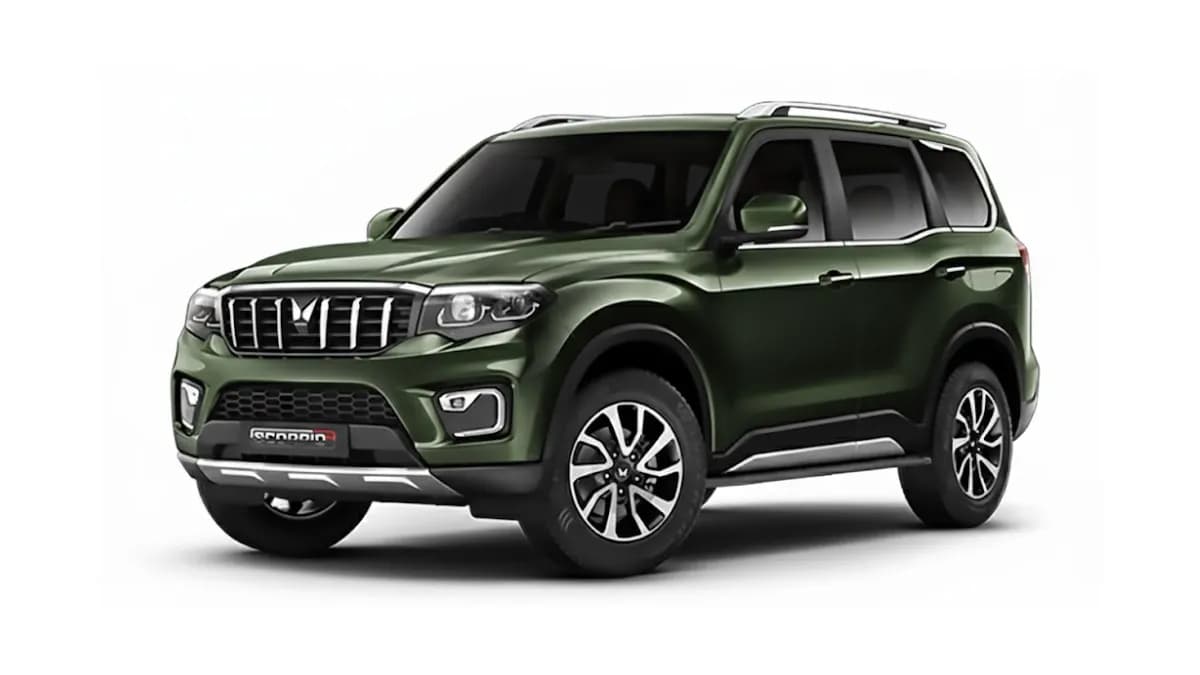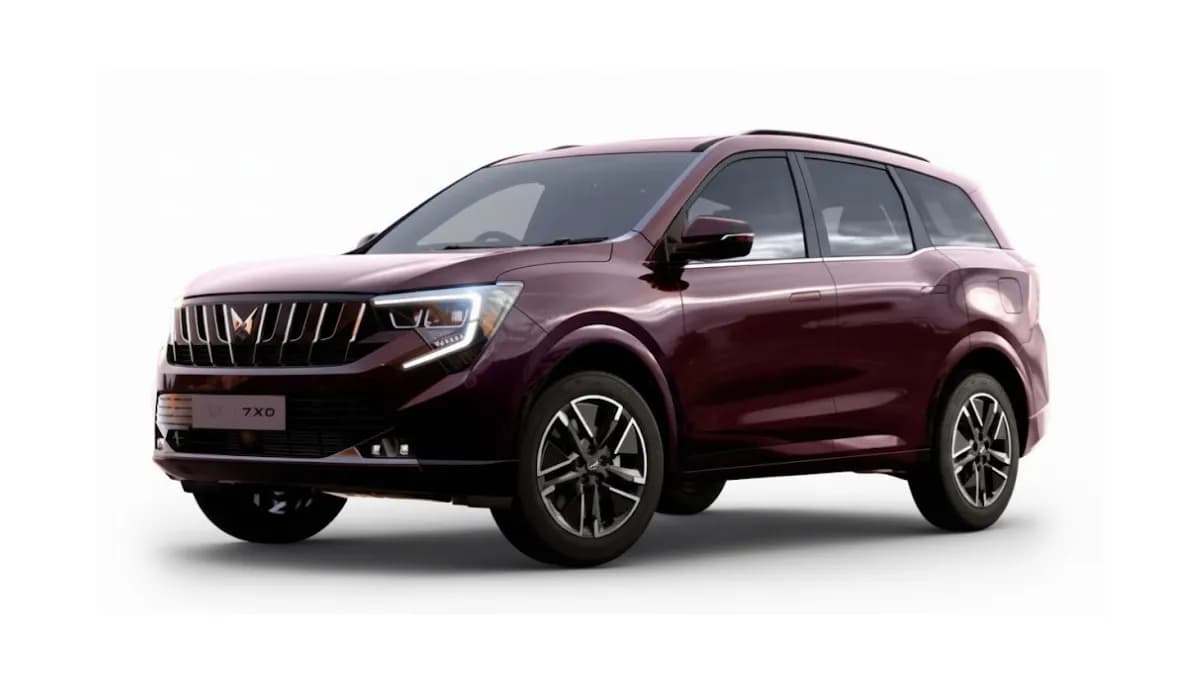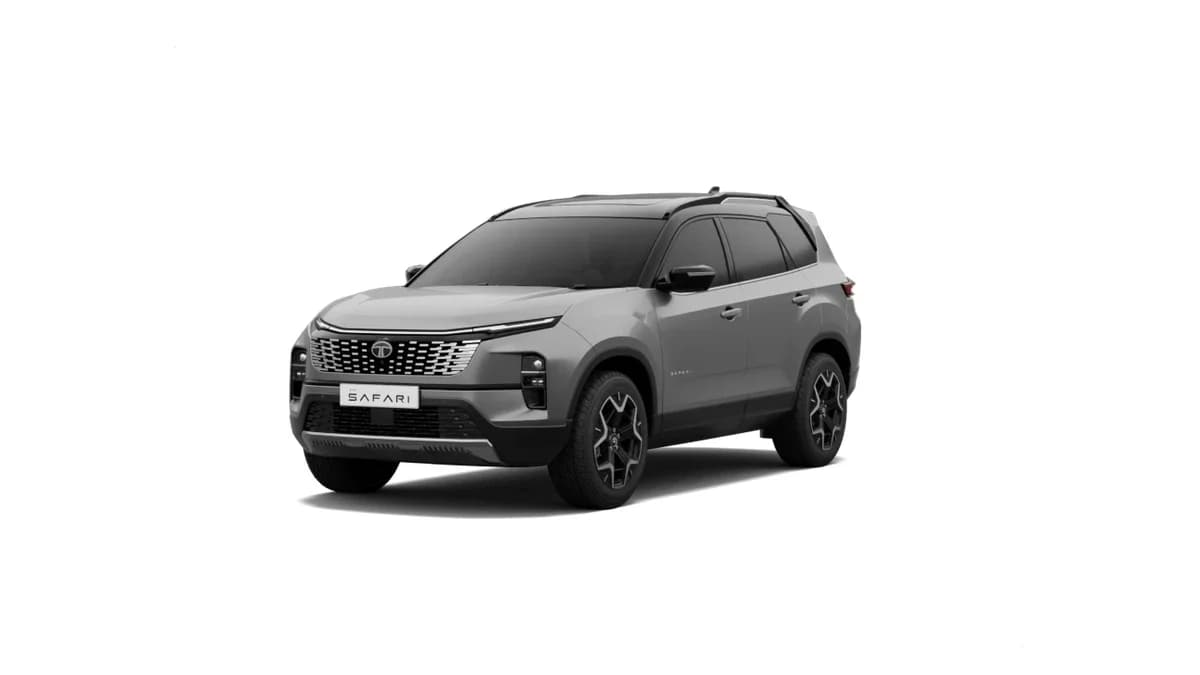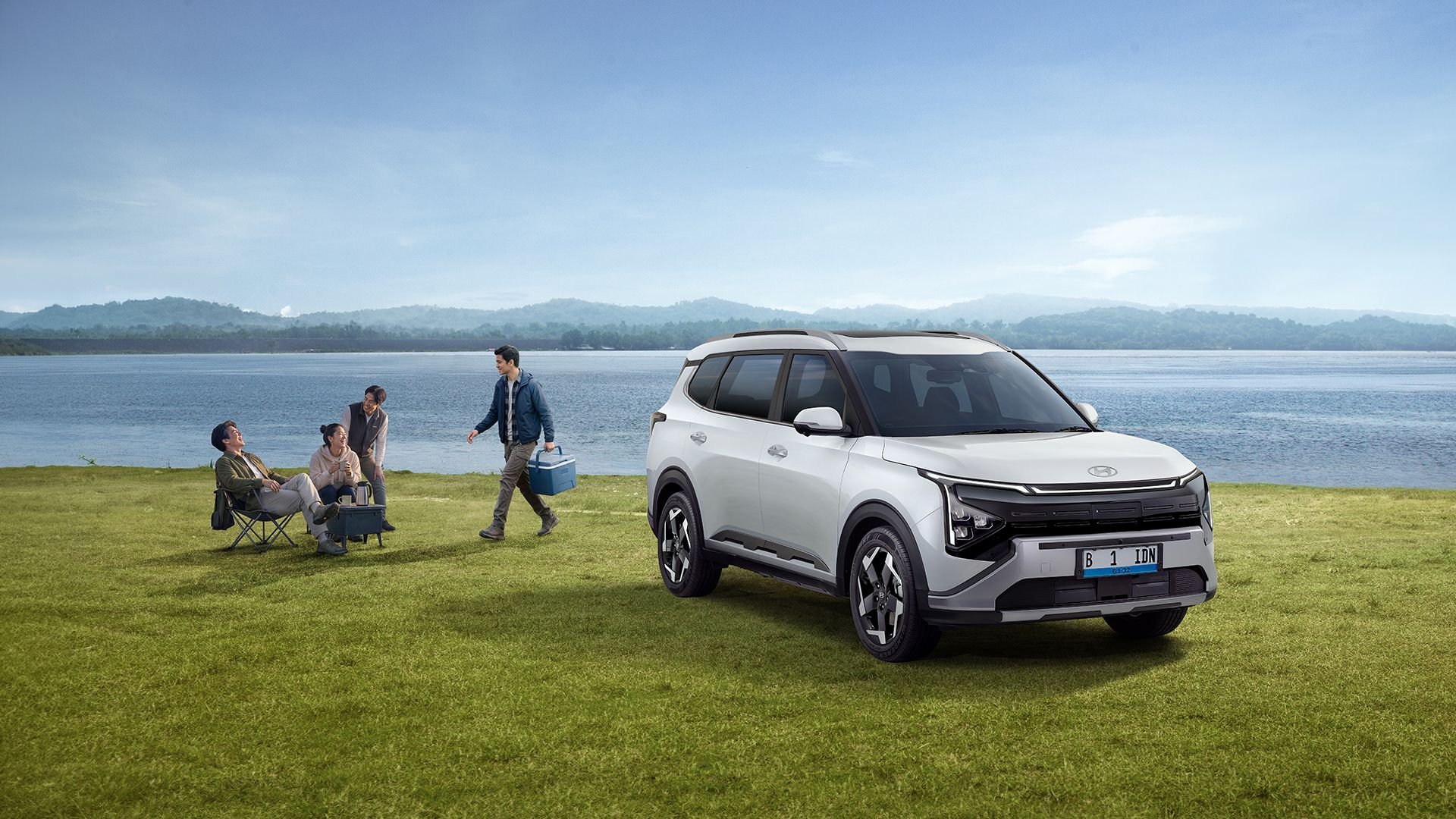
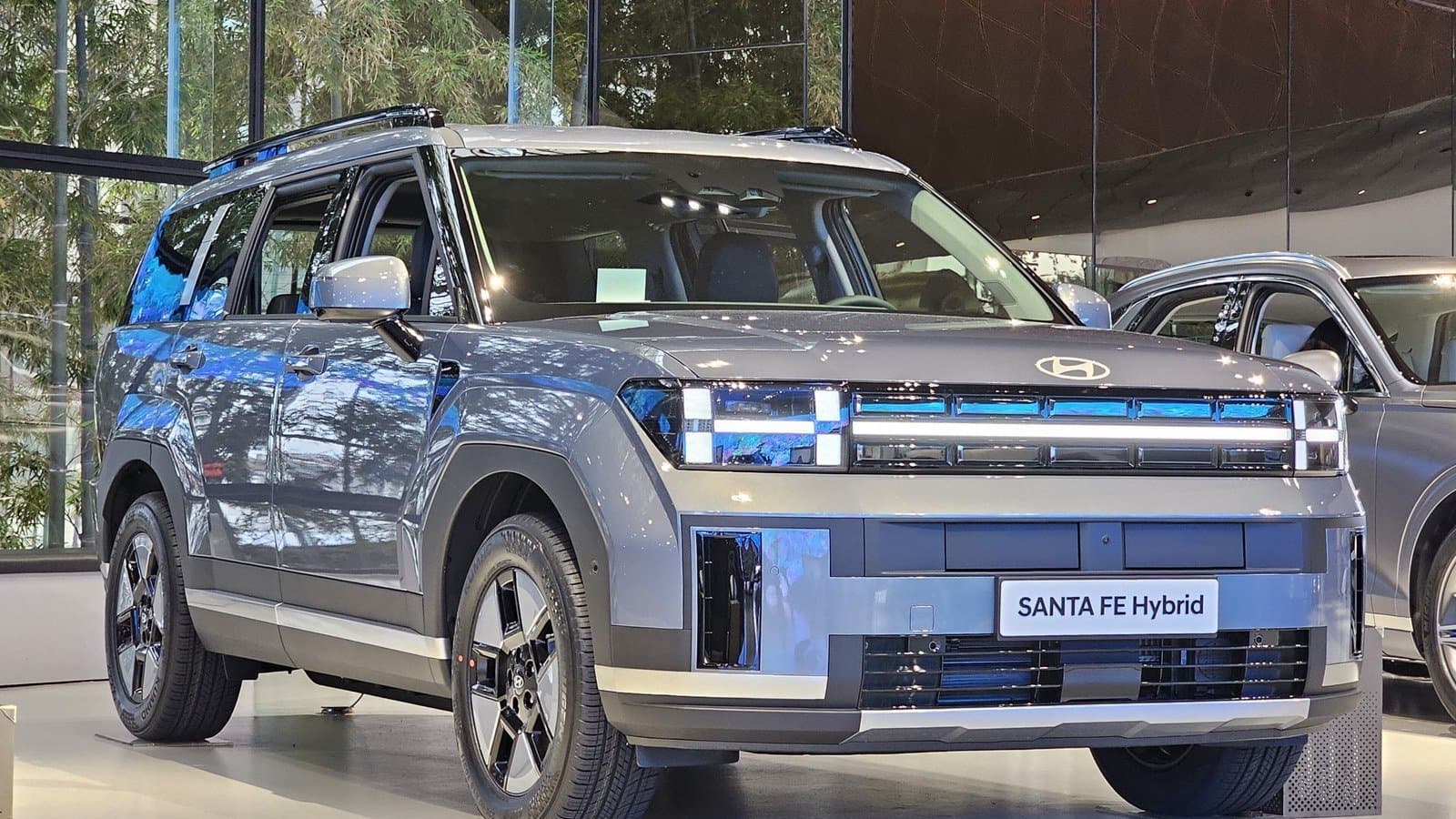
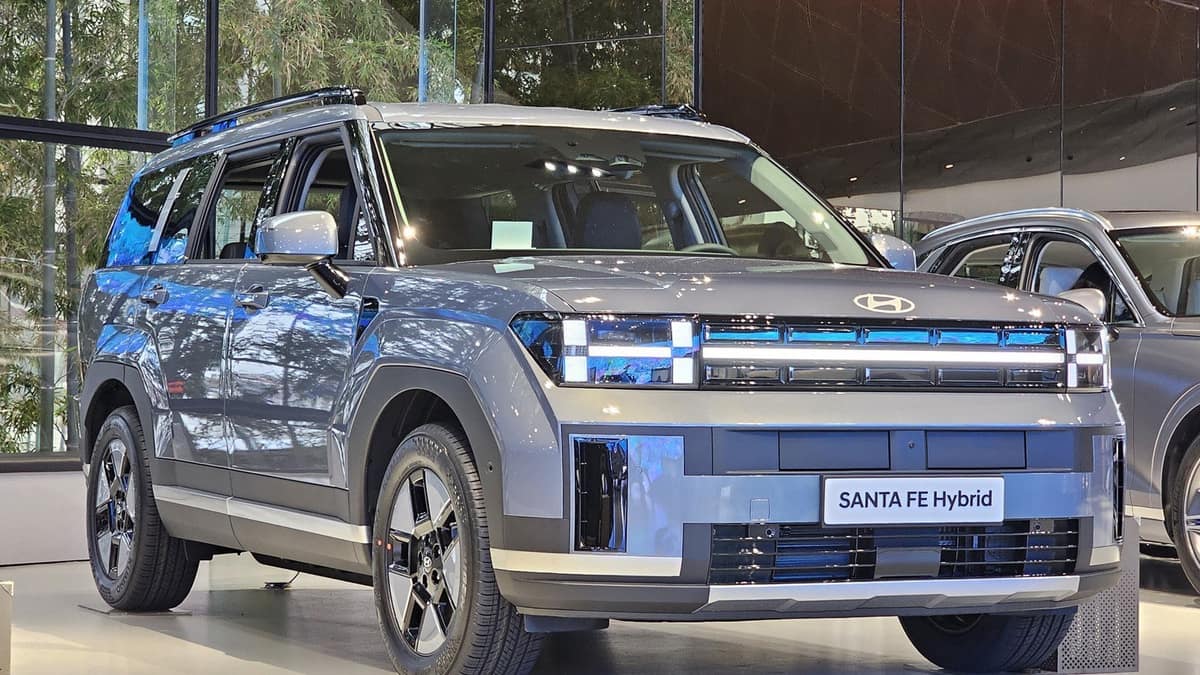
The Hyundai 7-seater hybrid SUV for India, known inside the company by the codename Ni1i, has been spotted for the first time. It is a three-row petrol hybrid that should sit above the Hyundai Alcazar and take on the Mahindra XUV 7XO and Tata Safari. Hyundai has not confirmed the name, specs or price yet. Reports point to a launch in late 2027 or 2028, with the SUV built at Hyundai's new plant in Talegaon near Pune.
So this is an early preview. We will update this same page as Hyundai shares official details. Below, we have kept what is confirmed apart from what is only reported or expected, so you know what to trust.
Hyundai Ni1i: key facts
| Item | Details | Status |
|---|---|---|
| Codename | Ni1i | Reported |
| Body type | Three-row SUV, 6 or 7 seats | Expected |
| Powertrain | Petrol strong hybrid ("HEV" label on test car) | Reported |
| Position | Above the Alcazar, which starts at ₹14.51 lakh | Expected |
| Plant | Talegaon, Pune | Reported |
| Launch | Late 2027 or 2028 | Expected |
| Price | Not announced | Unknown |
| Main rivals | Mahindra XUV 7XO, Tata Safari, Mahindra Scorpio N | Expected |
What the spy shots tell us
The test car was seen on a car carrier in South Korea, under heavy camouflage. The pictures first came from Korean sources, and Rushlane and Financial Express reported on them this month. Three small details make this test car worth a closer look.
First, a sticker on the body reads "HEV". That is Hyundai's own label for a hybrid electric vehicle. The car also carries the test number C122 and a chassis number that starts with KMH, which is Hyundai's maker code.
Second, look at the tyres. They are 245/60 R18 JK Tyre Ranger H/T units. JK is an Indian brand. Carmakers often test with parts meant for the target market, so this hints at an India link. On its own, though, it does not prove where the SUV will be sold.
Third, the shape. The body is tall and boxy, with a flat roof, upright sides and a near vertical tailgate. There is thick black cladding on squared wheel arches. It looks more rugged than the Creta or Alcazar.
Hyundai 7-seater hybrid SUV: what is confirmed
Very little about the car itself is official. But Hyundai's wider plans are on record, and they explain why this SUV matters.
- At its Investor Day in October 2025, Hyundai Motor India said it plans 26 launches by 2030. It also said it will go from zero hybrid SUVs to eight hybrids by 2030, from small to large and premium SUVs.
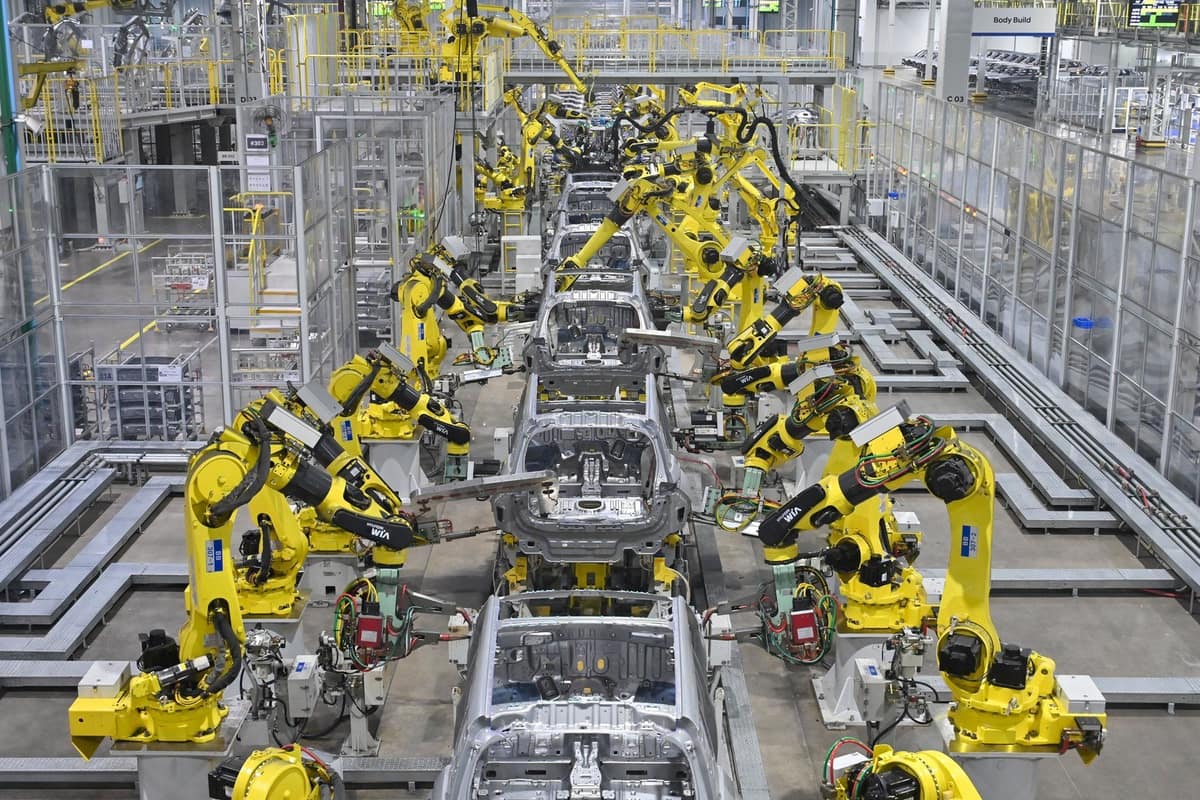
- Hyundai opened its Talegaon plant on 14 October 2026. It starts with a yearly capacity of 170,000 units, rising to 320,000 by 2030. Hyundai says the plant can build petrol and hybrid cars.
- Hyundai MD and CEO Tarun Garg told Business Standard in September that hybrids will come only once enough parts are made locally to keep prices sensible.

What is expected: engine, size and seats
Everything in this section comes from reports. Hyundai has not confirmed any of it.
Engine (expected): Autocar India first reported the Ni1i project in September 2024. It said Hyundai could pair its 1.5-litre petrol engine with a hybrid system to keep costs down. Other reports say it may use the 1.6-litre petrol hybrid seen in Hyundai's global Tucson. Kia already sells a 1.6-litre turbo petrol hybrid in India in the Kia Sorento. No power, battery or mileage figures are out yet.
Size (expected): Autocar India's sources said it should be a bit longer than the old Tucson, which was 4,630 mm long. It may be based on the long Tucson sold in China, which is 4,680 mm long. For context, the Safari is 4,668 mm long.
Build and seats (expected): Financial Express expects a monocoque body like a car, not a ladder frame like a Fortuner. That points to comfort and mileage over hard off-roading. CarLelo expects both 6-seat and 7-seat versions, with captain chairs in the middle row on the 6-seater.
Expected price and rivals
Hyundai has given no price hint. Here is the price band it would step into, based on current ex-showroom prices.
| SUV | Ex-showroom price | Engines |
|---|---|---|
| Hyundai Alcazar | From ₹14.51 lakh | 1.5 turbo petrol, 1.5 diesel |
| Mahindra XUV 7XO | ₹13.99 lakh to ₹25.79 lakh | 2.0 turbo petrol, 2.2 diesel |
| Tata Safari | From ₹13.40 lakh | 1.5 turbo petrol, diesel |
| Kia Sorento | ₹27.99 lakh to ₹40.39 lakh (hybrid from ₹29.49 lakh) | 1.6 turbo petrol hybrid, 2.2 diesel |
| Hyundai Ni1i | Not announced | Petrol hybrid (expected) |
My take, as opinion: to sell in real numbers, the new Hyundai has to land well below the Sorento hybrid and close to a top XUV 7XO. That is why Garg's point on local parts matters so much. A hybrid that costs too much will end up as a showroom piece.
The XUV 7XO is the one to beat. It has strong engines, optional AWD and a big feature list. The Safari brings a 5-star Bharat NCAP rating. Hyundai's edge would be the hybrid itself, since the XUV 7XO, Safari and Scorpio N offer no hybrid. For a family that does a lot of city running, that could mean far lower fuel bills.
Why Hyundai needs this SUV
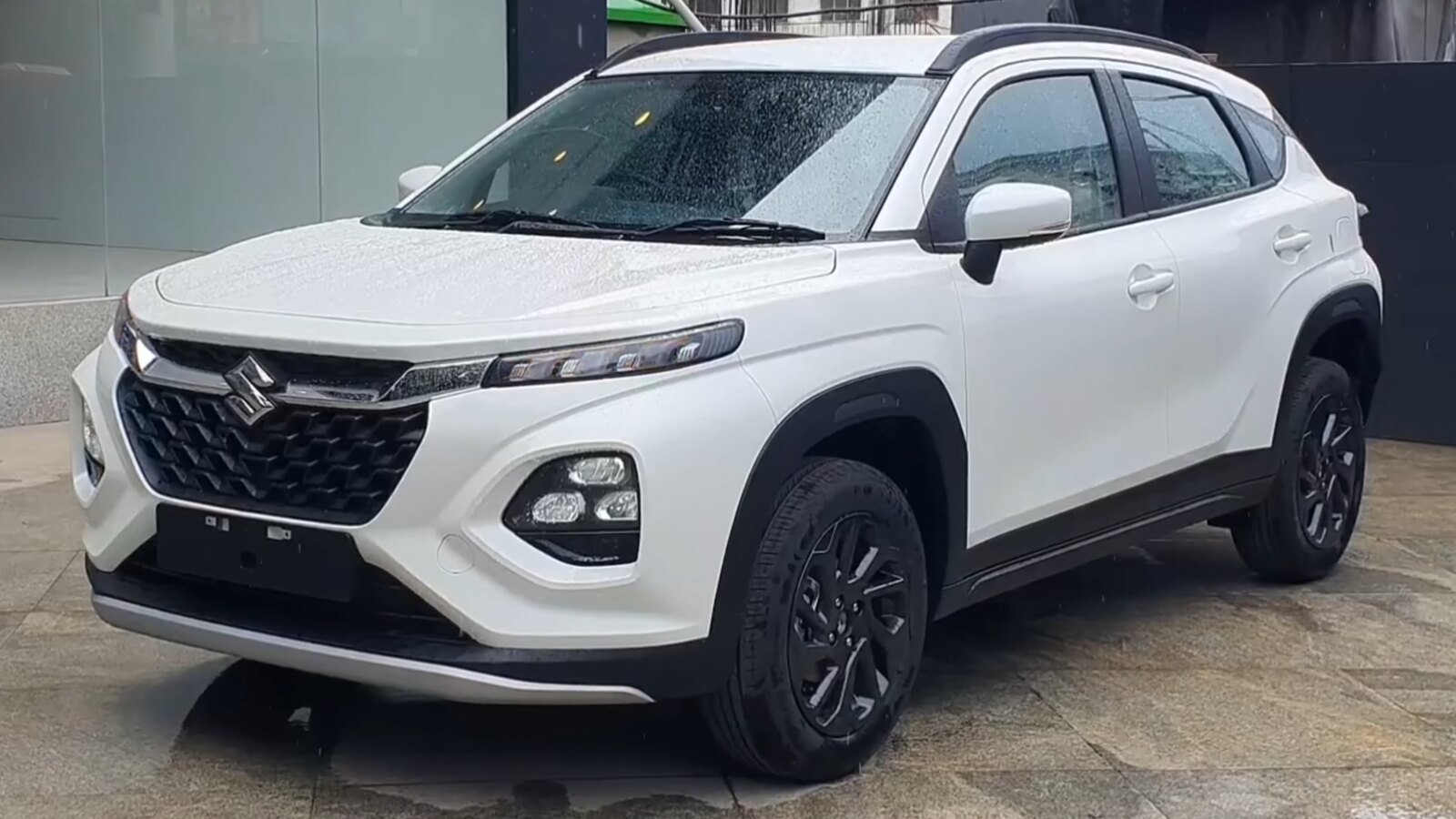
Hyundai is strong in the 4.2 to 4.5 metre space with the Creta, and the new Bayon adds to that. Above 4.5 metres, it has little to offer since the Tucson left India. Mahindra rules that part of the market with the XUV 7XO and Scorpio N. A large hybrid is how Hyundai plans to get a foot in.
There is a service angle too. Buyers of a first hybrid want a workshop nearby that knows the tech. In my view, Hyundai's big dealer reach will help here. On resale, Toyota hybrids are the ones buyers trust most today. Hyundai will need a strong battery warranty to earn the same trust.
Should you wait or buy now?
This is our opinion, based on what we know today.
Buy now if you need a 7-seater in the next year. A launch in late 2027 or 2028 is a long wait. The XUV 7XO, Safari and Alcazar are all on sale now, with diesel options for long highway runs. If you want a hybrid three-row SUV today and have a bigger budget, the Sorento hybrid is already here.
Wait if your car is still fine for two more years and most of your driving is in city traffic. That is where a strong hybrid saves the most fuel. Waiting also lets you see the real price, the warranty and the crash test result before you commit.
| Pros (expected) | Cons (expected) |
|---|---|
| Strong hybrid should cut fuel bills in city traffic | Launch is still one to two years away |
| Built in India at Talegaon, which can help price | No specs, price or mileage confirmed |
| Bigger third row than the Alcazar if length reports hold | Diesel or AWD versions are not reported |
| Familiar Hyundai service setup | Hybrid price could stay high if local parts lag |
For more on what is coming, read our guide to upcoming Hyundai SUVs, our list of the best hybrid cars in India and the Hyundai Neira electric MPV. To see how a three-row hybrid is selling today, check our Kia Sorento sales report. If you plan to book a Mahindra now, see the XUV 7XO waiting period first. Hyundai's official note on the Talegaon plant opening and its Alcazar price page are useful too.
FAQs
What is the Hyundai Ni1i?
It is the reported codename of a new three-row Hyundai SUV for India. It is expected to be a petrol hybrid that sits above the Alcazar.
When will the Hyundai 7-seater hybrid launch in India?
Hyundai has not given a date. Reports point to late 2027 or 2028.
What will be the price of the Hyundai Ni1i in India?
The price is not announced. It should sit above the Alcazar, which starts at ₹14.51 lakh ex-showroom, but any figure today would be a guess.
Will Hyundai launch a hybrid car in India?
Yes. Hyundai has said it will have eight hybrids in India by 2030. The Economic Times has reported that a smaller Hyundai hybrid could come by mid-2027.
Which engine will the Hyundai hybrid SUV get?
It is not confirmed. Reports suggest either a hybrid built around Hyundai's 1.5-litre petrol or the 1.6-litre petrol hybrid used abroad.
Is the new Hyundai SUV a rival to the Mahindra XUV 7XO?
Yes, it is expected to rival the XUV 7XO, Tata Safari and Scorpio N. With a monocoque body, it is less of a direct Fortuner rival.
Will the Hyundai Ni1i get a diesel engine?
No diesel has been reported so far. All signs point to a petrol hybrid.