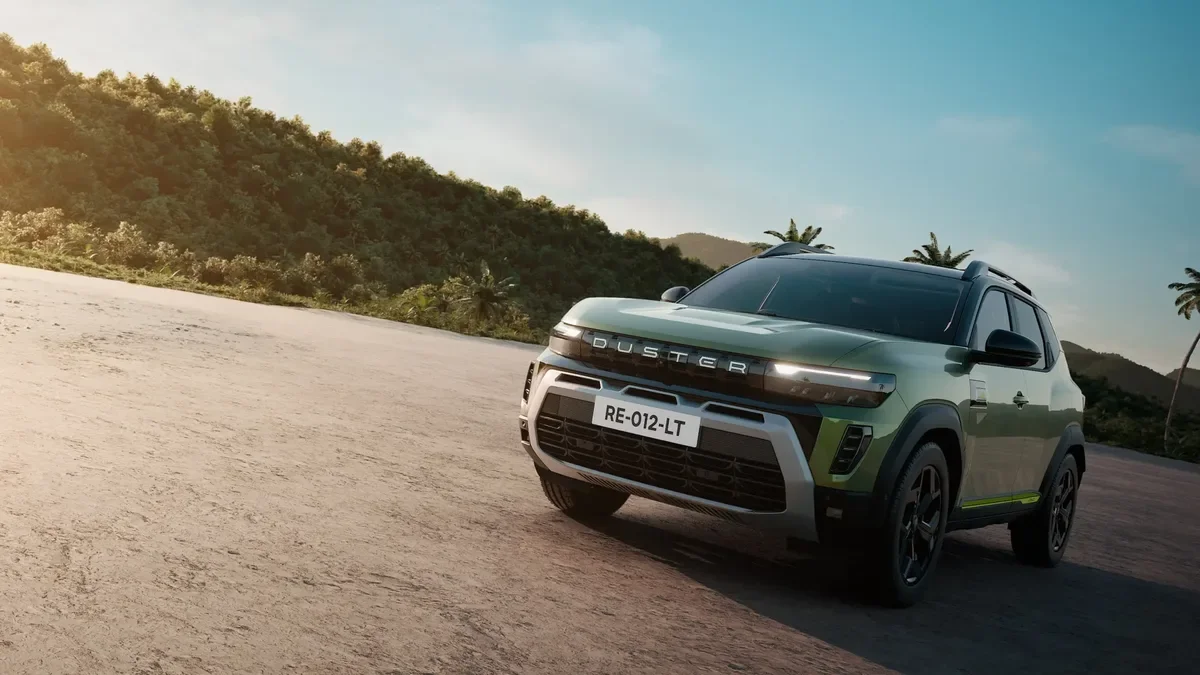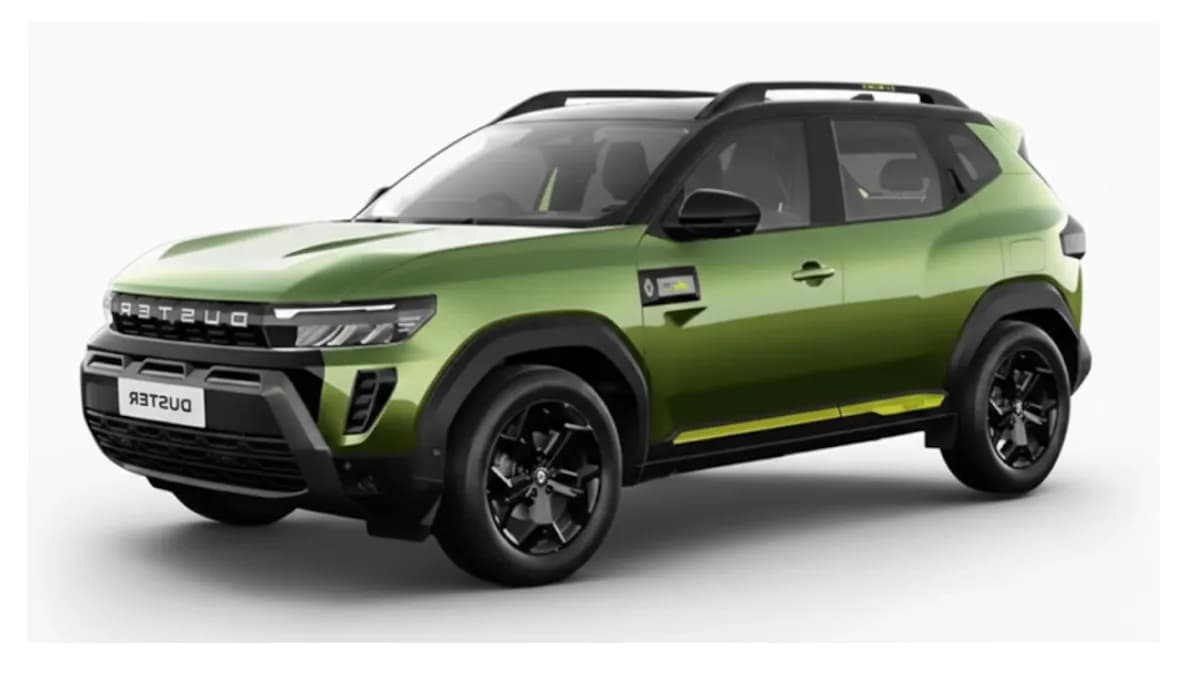
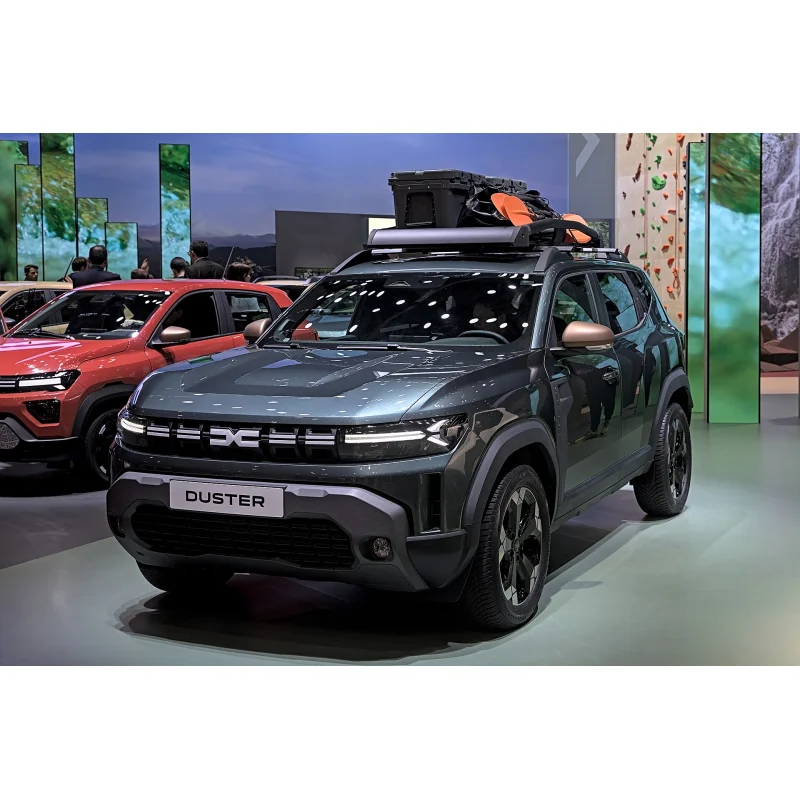

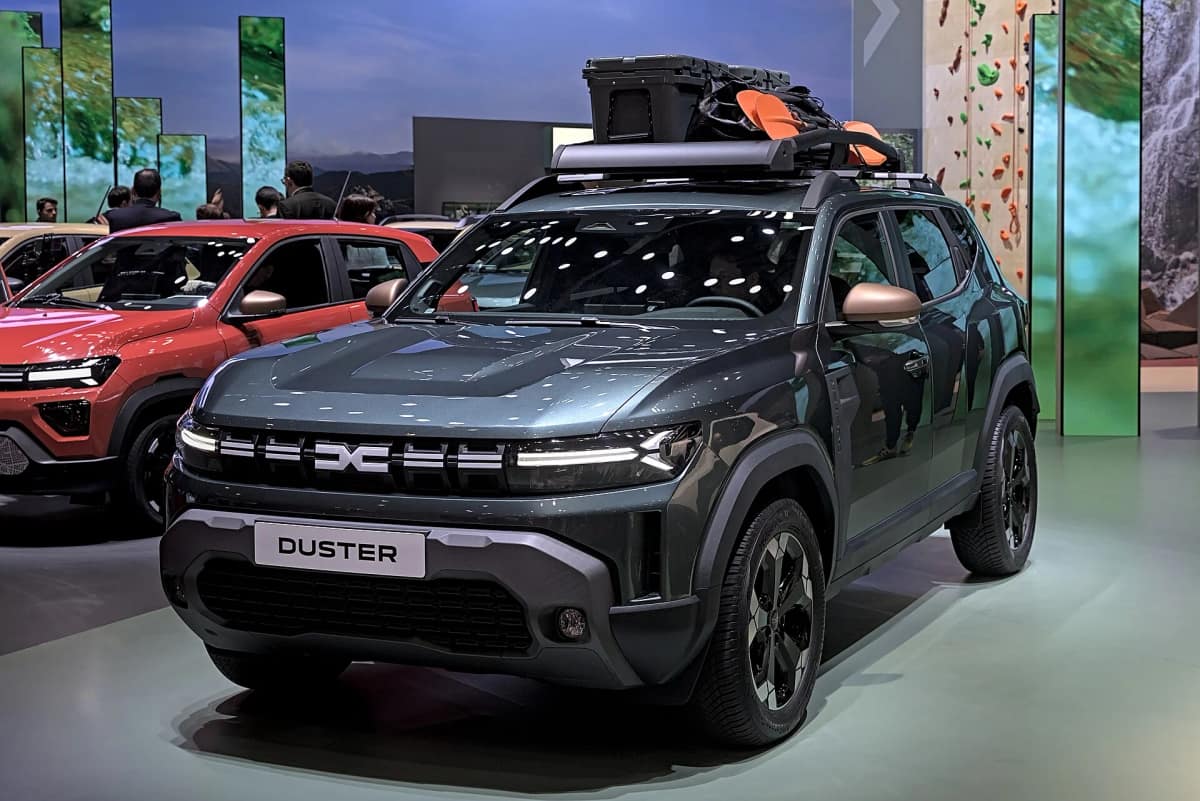
Renault has done something clever ahead of the festive rush. Instead of waiting for launch day to make its big claim, it put the headline number out first: 29 km/l. On October 9, 2026, Renault India announced an ARAI-certified fuel efficiency of 29 km/litre for the new Duster strong hybrid E-Tech 160 and opened bookings the same day. The full reveal and official market debut is set for October 17, 2026.
That number got people talking straight away, and it's easy to see why. A mid-size SUV with 160 PS that claims better mileage than most small hatchbacks is exactly what a lot of buyers have been waiting for, especially those who still want diesel-like economy without the diesel.
What Renault Has Confirmed So Far
Renault has kept the details tight until the reveal, but the key facts are already official:
| Specification | Duster Strong Hybrid E-Tech 160 |
|---|---|
| Engine | 1.8-litre four-cylinder petrol (naturally aspirated) |
| Electric motors | Two (a 20 hp starter-generator and a 49 hp drive motor, per Autocar India) |
| Battery | 1.4 kWh |
| Combined output | 160 PS |
| Combined torque | 172 Nm (per Autocar India) |
| Transmission | Multi-mode automatic |
| Fuel efficiency (ARAI) | 29 km/l |
| External charging | Not required |
| Booking amount | Rs 21,000 |
| Bookings opened | October 9, 2026 |
| Full reveal / market debut | October 17, 2026 |
| Price | To be announced |
Bookings can be made on the Renault India website or at any authorised Renault dealership. Renault has not announced prices yet. We expect those on October 17, so be wary of any "leaked price" you see on social media before then.
How the E-Tech Strong Hybrid Works
If you have only driven mild hybrids, a strong hybrid is a different experience. The Duster E-Tech 160 pairs its 1.8-litre petrol engine with two electric motors and a small 1.4 kWh battery. A multi-mode automatic gearbox decides, from moment to moment, whether the wheels are driven by the electric motor, the petrol engine, or both.
At low speeds and in crawling traffic, the SUV can run on electric power alone. When you lift off or brake, it recovers energy and puts it back into the battery. The engine switches off when it isn't needed. That is where the efficiency comes from, and it is why strong hybrids tend to shine in exactly the kind of stop-go city driving most Indian buyers deal with every day.
Renault says the system can cover up to 80 percent of city driving in electric mode, according to Autocar India's report. The battery charges itself while you drive, so there is no plug, no charger at home and no range anxiety. Renault's gearbox works differently from the CVT-style e-CVT units in rival hybrids. It uses fixed gear ratios, a design the company links to its Formula 1 experience, and that should make it feel more natural under acceleration.
A Third Powertrain for the New Duster
The hybrid won't replace anything in the line-up. It will become the third powertrain option for the new Duster, alongside the existing 1.0-litre and 1.3-litre turbo-petrol engines. That gives Renault a wide spread: an affordable turbo-petrol to get buyers into showrooms, a stronger turbo for enthusiasts, and now an efficiency-focused hybrid at the top.
It is also a landmark for the brand. The Duster E-Tech 160 is the first E-Tech model Renault is bringing to India under its "futuREady" roadmap, and the first time Renault's strong-hybrid technology is being offered here.
Why 29 km/l Matters
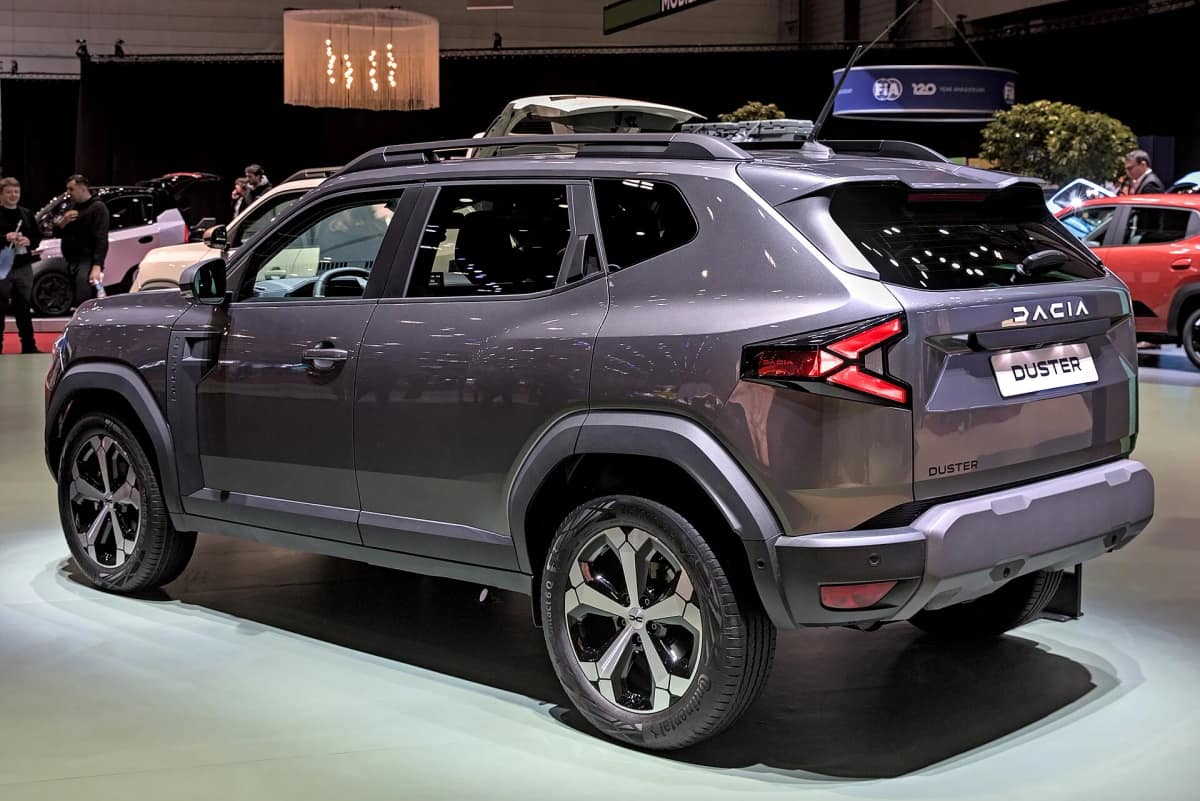
For years, the strong-hybrid mid-size SUV space in India has belonged to the Maruti Suzuki Grand Vitara and Toyota Urban Cruiser Hyryder twins, both with ARAI figures of 27.97 km/l. The Duster's 29 km/l edges past them on paper. With 160 PS against the roughly 116 PS combined output of the Maruti-Toyota hybrids, it also promises noticeably more performance.
Renault is openly pitching the Duster hybrid at buyers thinking about leaving diesel. Its argument is simple: diesel SUVs have always sold on pulling power and economy, and this hybrid claims to offer both with a petrol engine and no charging.
A word of caution, though. ARAI figures are measured under standard test conditions. Real-world mileage will depend on your traffic, speed, the weather, AC use and, most of all, your right foot. In our experience, strong hybrids come closest to their claimed figures in city use and drop off at sustained highway speeds, when the petrol engine does most of the work. A real-world number in the low-to-mid 20s would still be excellent for an SUV this size.
What We're Still Waiting to Learn
The October 17 reveal should answer the questions that will decide whether this hybrid succeeds:
- Price: Strong hybrids carry a premium. How close Renault prices the hybrid to the top turbo-petrol versions will matter more than anything.
- Variants: Whether the hybrid is limited to top trims or offered in more affordable ones too.
- Features and safety: Equipment levels for the hybrid versions.
- Warranty: Battery and hybrid-system warranty cover, which buyers rightly ask about first.
Expert Verdict
Renault has played this well. By announcing the 29 km/l figure and opening bookings a week before the reveal, it has made the Duster hybrid one of the most talked-about cars of the festive season before anyone has seen its price.
On paper, the package is very strong. It is more powerful than the established hybrid rivals, more efficient on the ARAI cycle, needs no charging, and arrives in a body that already has plenty of SUV appeal. If Renault prices it sensibly against the Grand Vitara, the Hyryder and the diesel versions of the Creta and Seltos, the Duster could change how Indian buyers think about hybrids in this segment.
Our advice: if you do a lot of city driving and were planning to buy a diesel SUV, it's worth paying the Rs 21,000 to hold your place in the queue. But wait for the October 17 prices, and ideally a real-world test, before you commit. We'll bring you the full details from the reveal.
Sources: Renault India press release (October 9, 2026); Autocar India; Autocar Professional; CNBC-TV18; ETAuto.