
Read the numbers in the Centre's new BS-VII draft for cars and you may think someone pasted the wrong page. Petrol cars: 60 mg/km of nitrogen oxides. Diesel: 80. Particulates: 4.5 mg/km for both. Those are the limits India has lived with since BS-VI arrived in April 2020. Yet carmakers are already lobbying for more time, and analysts are putting rupee figures on what it could do to prices. Something in this draft is clearly heavier than it looks.
The Ministry of Road Transport and Highways' draft is dated 12 October and was published in the Gazette on 13 October. It proposes BS-VII for new passenger cars (category M1) manufactured from 1 April 2029. The public has 30 days to comment before the ministry decides. Nothing is final, and that matters for everything below.
Same limits, much harder exam
The change is in how a car is tested and how long it has to stay clean. From April 2030, type-approval would include on-road emission tests with portable equipment, and the conformity factor for NOx and particle numbers would be 1.0. In plain terms, a car would get no extra allowance over the lab limit once it leaves the lab.
Cars would also have to watch themselves. The draft asks for on-board monitoring that can flag emissions at 2.5 times the limit, plus fuel and energy consumption tracking. Compliance has to hold for 160,000 km or eight years, with an extended period up to 200,000 km or ten years. Buyers would get an "Environmental Vehicle Passport" showing emissions, fuel use and, for electrified cars, battery health.
CNBC-TV18 adds that the particle size threshold drops from 23 nanometres to 10, which catches finer soot. That is the one tailpipe tightening I found in the reports.
The timeline, as drafted
| Date | What the draft proposes for cars |
|---|---|
| 1 April 2029 | BS-VII exhaust limits for new cars; evaporative, fuel consumption and battery durability rules |
| 1 April 2030 | On-road emission tests in type-approval, conformity factor 1.0; fuel-consumption data must be accessible |
| 1 April 2031 | Brake-particle limits (3 mg/km for pure EVs, 7 mg/km for others); tyre abrasion rules, limits to be notified |
| 1 April 2032 | Emission monitoring data must be accessible, including over the air |
| 1 April 2035 | One brake-particle limit of 3 mg/km for every powertrain |
Brakes, tyres and, for the first time, EVs
This is the part I find genuinely new. A car with no engine still sheds dust from its brake pads and rubber from its tyres, and BS-VII finally counts it. Electric cars get the tighter 3 mg/km brake limit from 2031, but they also get their own test: batteries in pure EVs and plug-in hybrids must retain at least 75 percent of performance for five years or 1 lakh km, and 67 percent up to eight years or 1.6 lakh km. If you are shopping for an EV such as the Tata Sierra EV, that is the first time a government floor, not a brochure claim, may sit under battery life.
Vector Consulting Group's Ravindra Patki told Mint the same: brake and tyre limits are the genuinely new piece, and the test methods for them are still maturing.
Who pays, and how much
Nobody has announced a price increase. What exists are preliminary estimates, and they are worth reading with that warning attached. Businessline reports figures for what compliance might add to a carmaker's manufacturing cost, and stresses that they are preliminary, not confirmed showroom hikes.
| Segment | Estimated extra manufacturing cost (preliminary) |
|---|---|
| Small petrol and CNG cars | ₹15,000 to ₹22,000 |
| Midsize petrol SUVs | ₹22,000 to ₹32,000 |
| Strong hybrids | ₹18,000 to ₹28,000 |
| Compact diesel SUVs | ₹35,000 to ₹48,000 |
| Larger diesel SUVs | ₹45,000 to ₹75,000 |
Source: Businessline, 15 October 2026. Electric cars: no reliable estimate yet.
Look at the pattern. A diesel buyer is staring at roughly double the hit of a small-petrol buyer, because of extra exhaust treatment such as particulate filters and urea dosing. If you are weighing the XUV 3XO petrol against the diesel, that gap is worth remembering, though by 2029 you may be shopping for a different car entirely.
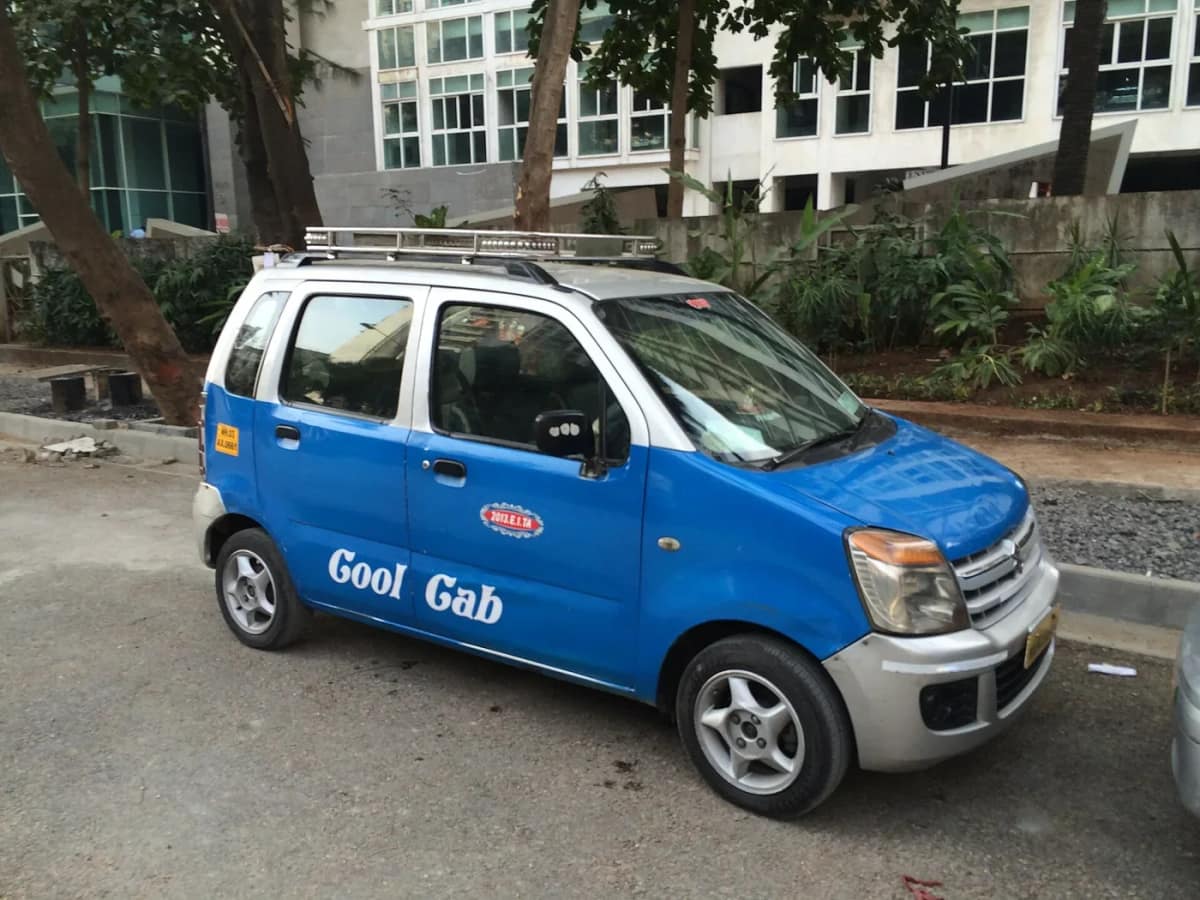
The small-car end is where the argument is loudest. A senior official at a passenger-car maker told Business Standard that high-volume models such as the Maruti Suzuki WagonR, Hyundai Venue and Tata Punch are too important to drop, so they would have to be upgraded rather than discontinued. A ₹15,000 jump barely registers on a luxury SUV. On a car bought because it fits under a budget line, it can decide the sale.
Mint reported earlier this month that the industry body Siam thinks petrol cars may need bigger changes than Europe did for Euro 7, because Indian engines rely heavily on multi-point fuel injection and may need extra particulate control. Mint also said making such technology locally is projected to take about three years.
Industry wants 2032. The government has not agreed.
The April 2029 date has surprised manufacturers, says Business Standard, and sources there argue 2032 is more practical. Mint reports that Siam has been weighing a two-step plan, 2032 and 2035. The draft itself still says 2029. Remember too that BS-VII is not the only item on the carmakers' list. CAFE-III fuel-efficiency norms were notified on 30 September, and E20 fuel compatibility and onboard diagnostics are on the same desk. JATO Dynamics' Ravi Bhatia summed up the mood: "The timeline is ambitious, but not impossible."
What a buyer should actually do
Nothing, for now. Existing cars, including every BS-VI car on sale today, are not affected, according to the reports. The rules only apply to cars manufactured from the cut-off date, so a car you buy this Diwali will not be retroactively penalised, and it will not become illegal in 2029. CNG cars such as the XUV 3XO CNG are covered too, so nobody gets a free pass on fuel type.
Picture a showroom in early 2029 with two units of the same hatchback, one built just before the deadline and one just after. The later one may carry a price bump and cleaner real-world numbers. Whether that trade is worth it depends on final rules that are still being written. Until then, anyone quoting a firm "BS-VII price" is guessing.
FAQ
When will BS-VII apply to new cars in India?
The draft proposes 1 April 2029 for cars manufactured from that date, with more requirements in April 2031 and April 2035. It is open for 30 days of public comment, so dates could change.
Will my current BS-VI car be affected?
No. Reports on the draft say vehicles already on the road, including BS-VI cars, are not affected by the transition.
Will new cars get costlier because of BS-VII?
No official figure exists. Preliminary industry estimates reported by Businessline put the extra manufacturing cost between ₹15,000 and ₹75,000 per passenger vehicle depending on type, and these are not confirmed showroom increases.
Does BS-VII apply to electric cars?
Partly. EVs are covered through battery durability, energy consumption and brake-particle rules. Pure EVs and plug-in hybrids must keep at least 75 percent battery performance for five years or 1 lakh km.
Could the 2029 date be pushed back?
It could. Manufacturers say they need more time, and Mint reports Siam has discussed asking for 2032 and 2035 instead.